

Treatment
Root canal care
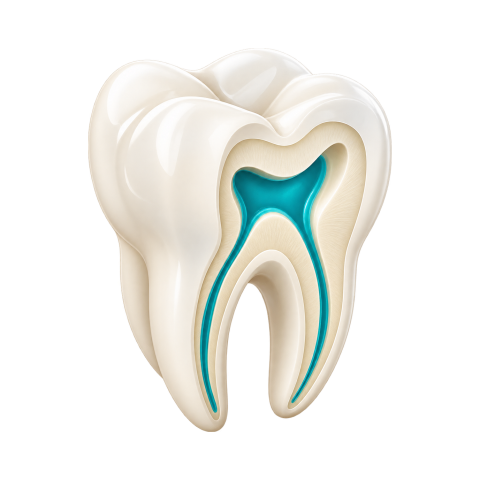
Root canal treatment treats inflammation or infection inside a tooth. The affected pulp is removed, the canals are cleaned and disinfected, and the tooth is sealed. The aim is to keep your natural tooth where that is possible.
Who it may suit
Your dentist may suggest root canal treatment if:
- a tooth has deep decay or a large filling close to the nerve
- a tooth stays sensitive to hot or cold, or hurts when you bite
- there are signs of infection, such as swelling near a tooth
- a tooth has been damaged by an injury
If you have swelling that is spreading, or that affects your breathing or swallowing, seek urgent medical care straight away.
This is general information. Whether a treatment is right for you can only be decided after an examination and a conversation with your dentist.
What to expect
-
Diagnosis
Your dentist examines the tooth and takes X-rays to understand the problem and confirm whether treatment is appropriate.
-
Local anesthetic
The area is numbed before treatment begins. Let us know if you feel anything and we will pause.
-
Cleaning and sealing
The canals are cleaned, shaped and filled. This may take one or more appointments.
-
Restoring the tooth
Afterwards the tooth needs a permanent filling or a crown to protect it. Your dentist will explain what is recommended for your tooth.
Your consultation
Your dentist will confirm whether root canal treatment is appropriate, and explain the alternatives, before any treatment begins.
-
Conversation
We ask what brought you in, about any concerns, and about your dental and general health.
-
Examination
Your dentist examines your teeth and gums. X-rays or scans are only taken when they are clinically needed, and we explain why first.
-
Options
We explain what we found and the options that may suit you, including their benefits, risks and fees.
-
Your decision
You decide what happens next. Treatment only begins with your informed consent.
Questions about root canal care
Is root canal treatment painful?
The tooth is numbed with local anesthetic before treatment. Some tenderness afterwards is possible; your dentist will explain what to expect and how to manage it.
What happens if I decide not to have it?
Your dentist will explain the alternatives, which may include monitoring or removing the tooth, and the likely consequences of each.
Will the tooth need a crown?
Often, particularly for back teeth, but not always. It depends on how much of the tooth remains.

Talk to us about root canal care.
Request an appointment and choose a preferred date and time. Our team will contact you to confirm.